Process
Character Performance and Cinematic Storytelling
This project explores character performance through a cinematic sequence featuring dialogue, facial and body acting, and choreographed sword combat. Drawing on acting principles, visual references and cinematic influences, I developed the characters’ contrasting personalities through posing, timing, gesture and emotional intent. The development journal documents my creative decisions, experimentation with performance and approach to overcoming technical and animation challenges, exploring how individual choices contribute to a cohesive and engaging narrative.
Gameplay Animation & Locomotion in Unreal Engine 5
This project follows the development of a gameplay locomotion system, from creating foundational movement animations in Maya to implementing them in Unreal Engine 5. Using movement reference, game animation examples and character-specific choices, I explored how to balance believable mechanics with personality, visual appeal and responsive gameplay. The journal documents the iterative process of testing and refining animations in-engine, addressing technical challenges and adapting creative decisions to the demands of an interactive experience.
Motion Capture Refinement & Character Animation
This project explores motion-capture refinement through a grounded military sci-fi sequence built around a series of character actions. Combining reference research, performance planning and animation cleanup in Maya, I developed a narrative from multiple captured actions, refining transitions, weight, foot contact and weapon handling while preserving the original performance. The journal documents my evaluation of AI-assisted workflows, creative and technical challenges, and how animation principles helped transform raw motion data into a coherent, believable cinematic performance.
Research
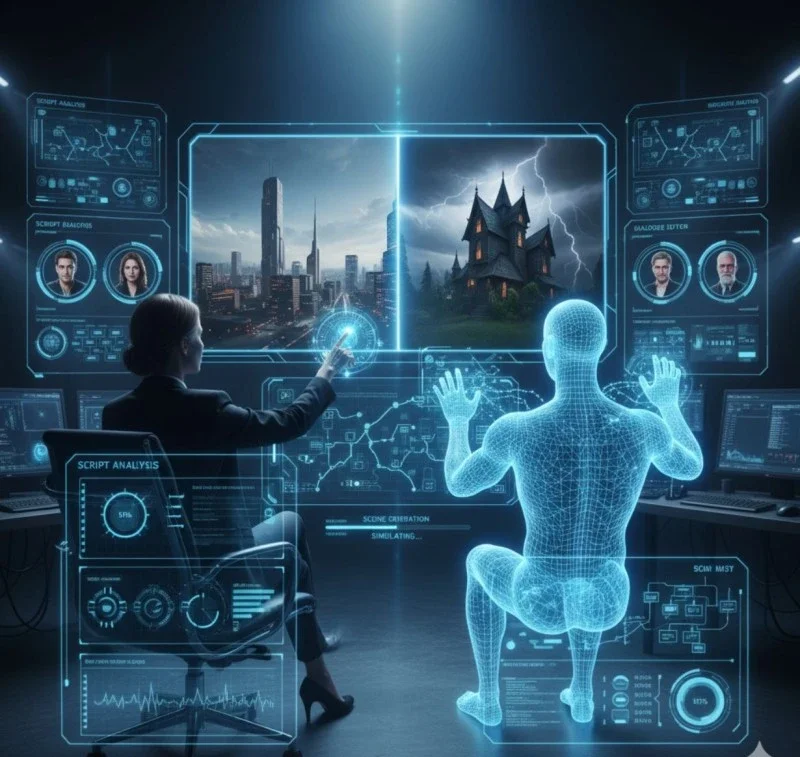
Creative Labour Under Automation: AI, Authorship and Value in Game Production
Exploring case studies from across the games industry, this paper examines how generative AI is reshaping creative labour, from automating animation tasks to challenging traditional ideas of authorship and artistic value. It considers the tension between AI’s potential to democratise game development and concerns over job displacement, creative ownership and player trust. It argues that AI challenges not only creative employment, but how human creativity and authorship are valued.
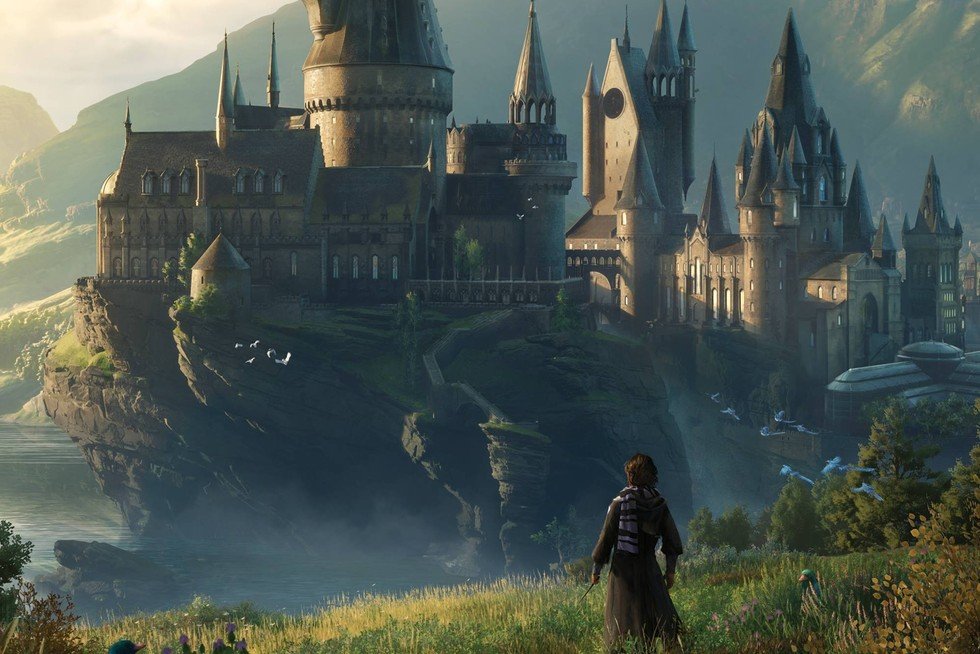
Seeing the Unseen: How Hogwarts Legacy Realises the Imagined
This paper explores how Hogwarts Legacy creates a believable fantasy world through the balance of visual realism, stylisation and established lore. Comparing its environments with earlier Harry Potter games, it argues that immersion depends not on replicating reality, but on creating a world that feels authentic to players’ imaginations while offering new experiences within a familiar universe.
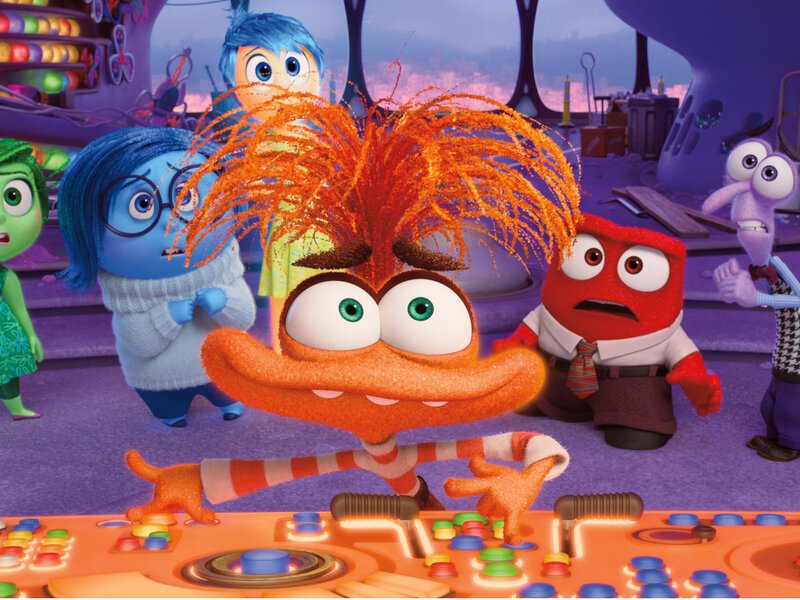
Designing Anxiety: Character Proportions, Colour Theory & Emotion
This paper analyses how Anxiety in Inside Out 2 uses character proportions, facial expressions and colour theory to personify anxiety and evoke empathy. Drawing on character design principles and psychological research, it explores how visual choices communicate hypervigilance, nervous energy and emotional complexity, demonstrating how thoughtful design can make abstract emotional experiences relatable to audiences.